Saturday, January 23, 2010

Au Naturel Ice Cream - BLIC ICE CREAM CAFE

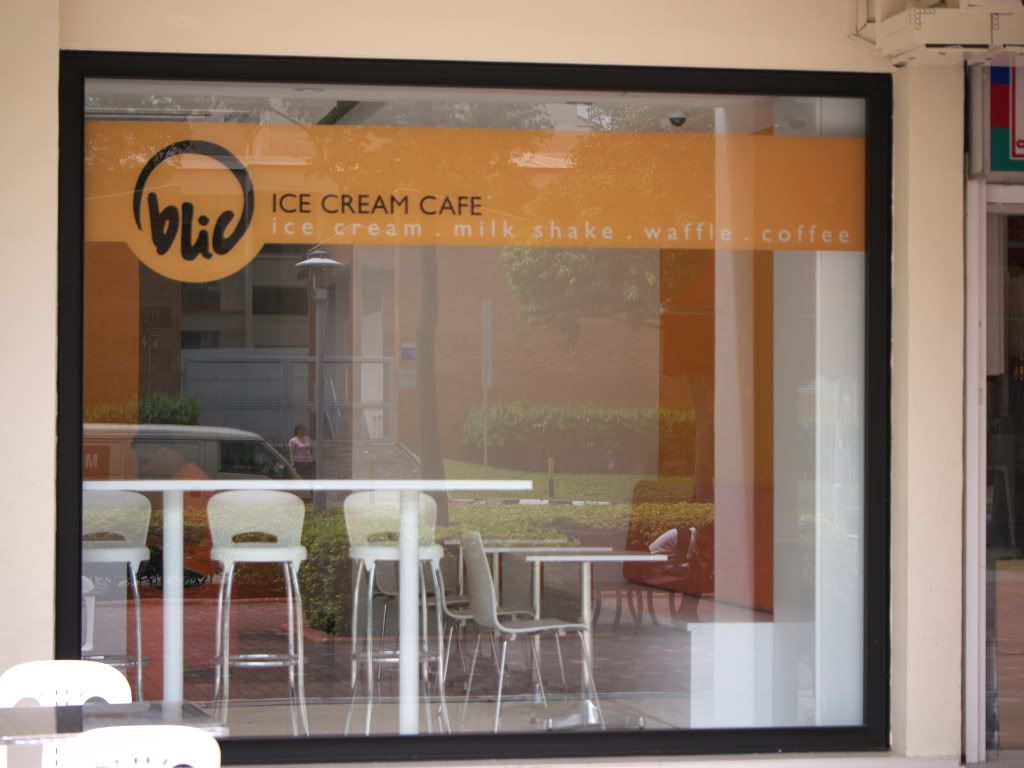
I would say to find a ice cream that customise to the delicate palate of Singaporean is not easy. I was invited to a pre-launch ice cream savouring session at BLIC ICE CREAM CAFE at Block 802 Tampines Ave 4 #01-23. It is a first time a gourmet ice cream cafe is gracing the eastern heartland of Singapore. I summon my makan kaki to attend this pre-launch ice cream savouring. We took MRT to Tampines and transfer to bus service 22  to BLIC..


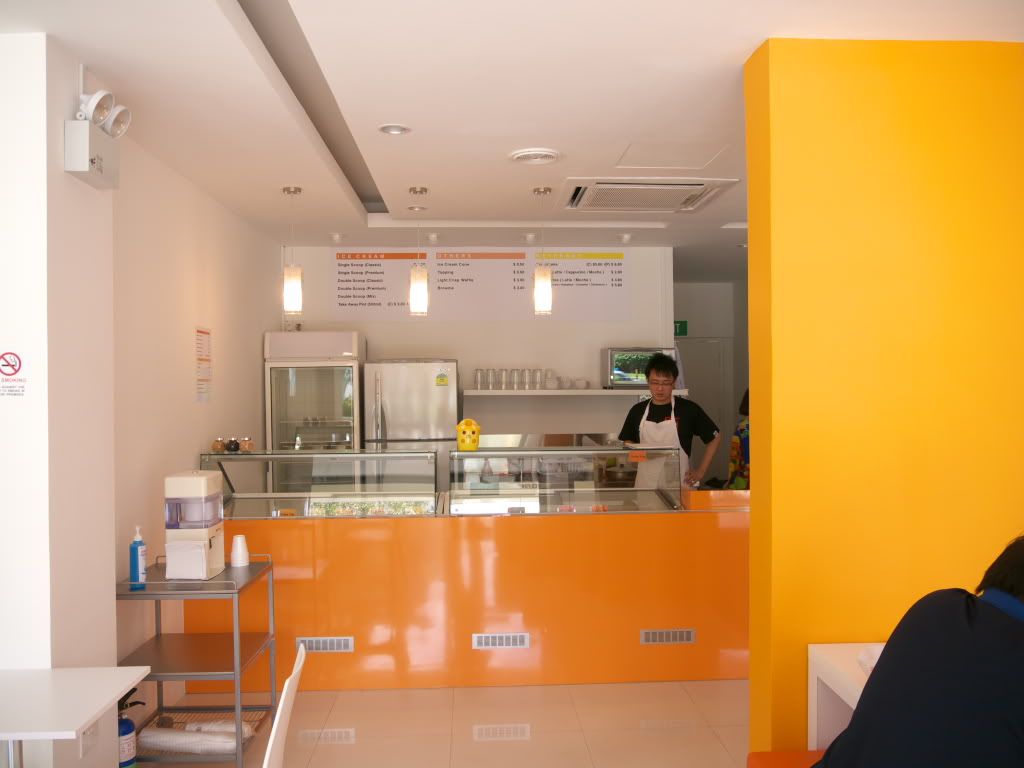
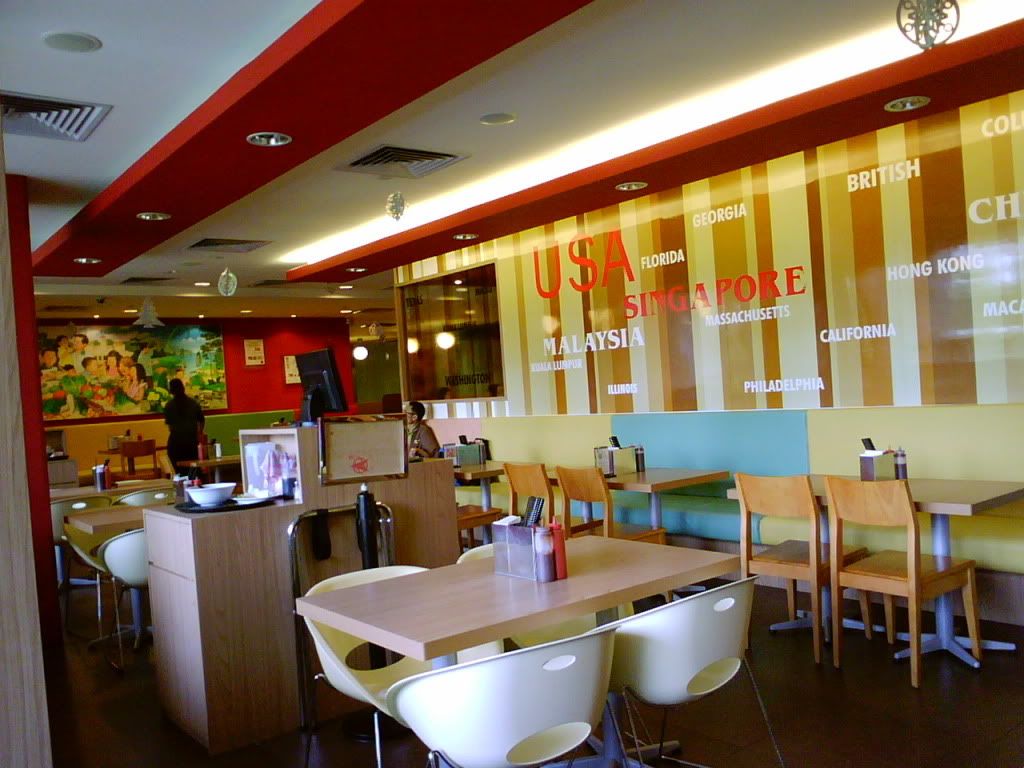
The initial appearance of BLIC strike me as a clean and simple ice cream cafe from far. The interior is clean and spacious with sitting area of about 30 person or more so you do not feel sense of over crowding. Being a avid foodie, I place more emphasis on food quality than general ambient.


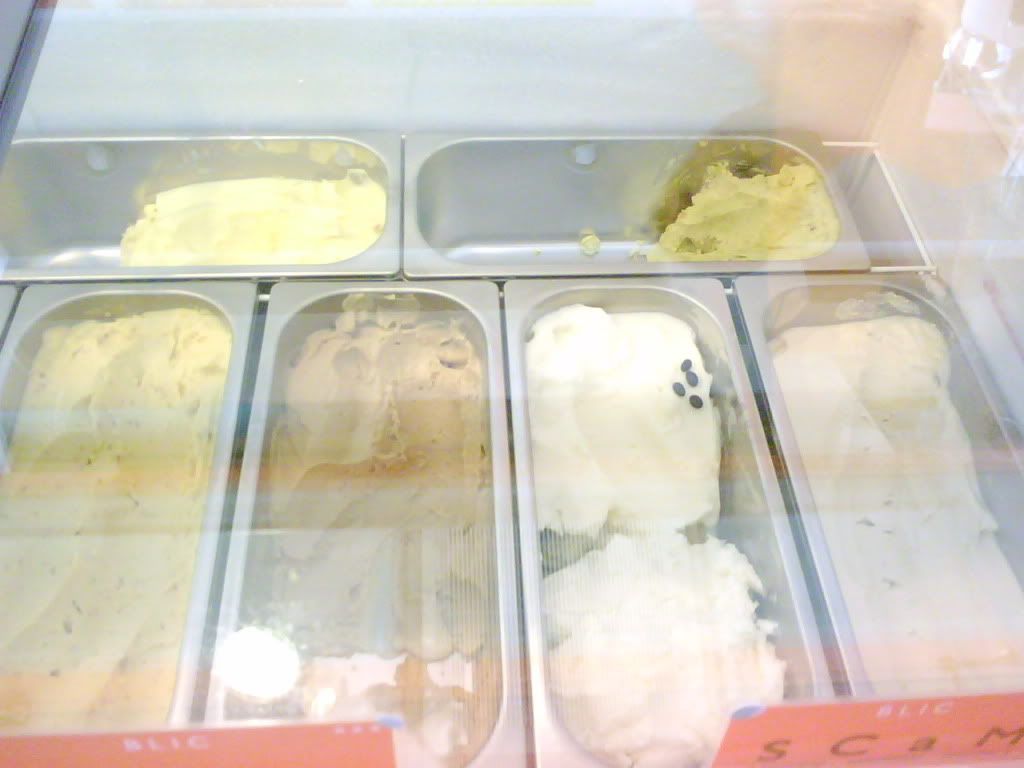
At BLIC's icrecream counter, I'm indeed spoilt with decadent flavours namely Almond Bird Nest, Mao Shan Wang (Durian), Bailey's, SCAM (Soursop, Calamansi & Martini). There are few classic flavours like Mexican Vanilla, Double Choco, Coffee, Rum & Raisin and fruit series like Passion fruit, Banana Peanut Crunch, Cempedek and Mango.


I was given a taste sampler of all the flavours and the main draw of BLIC is their ice cream is not too sweet and the taste is distinct. BLIC's ice cream flavours are not restrictive as those conventional creamery like Swenson or New Zealand's ice cream. The main highlight of BLIC ice cream is you taste each of the ice cream in its true natural flavour. You don't taste any hint of flavour enhancer or stabiliser that are normally added in commercial brand ice-cream. I would say BLIC is as close as you can get for an au naturel ice cream.


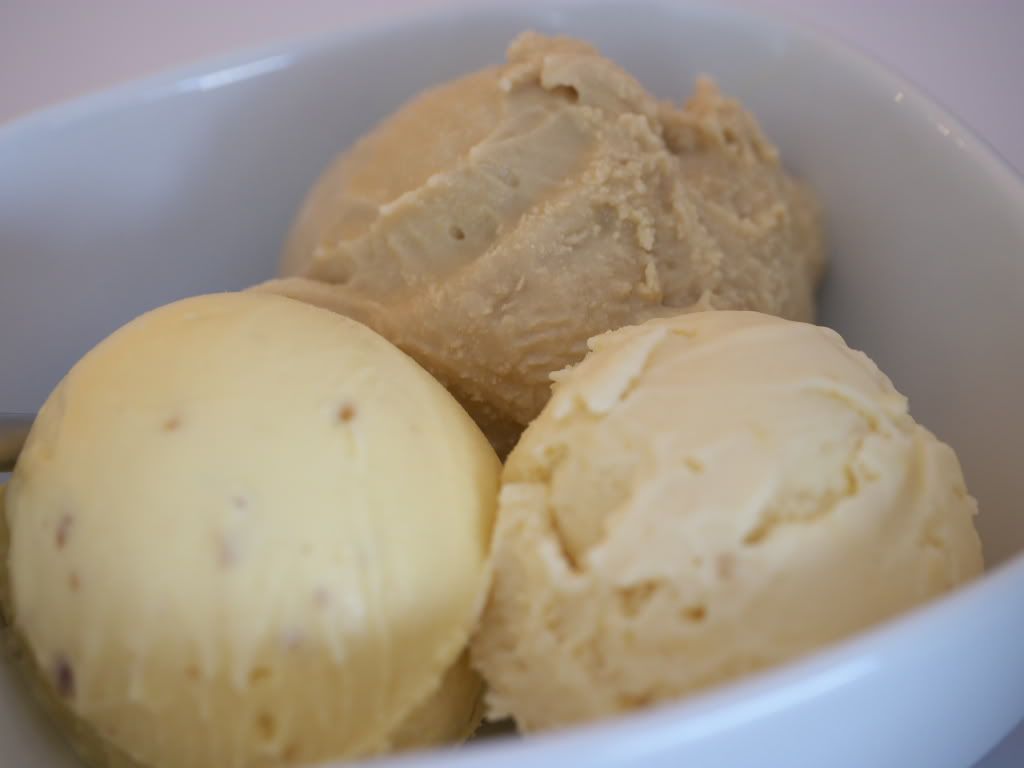
My favorite BLIC's ice cream flavour is Cempedek. Cempedek is not readily available in most ice cream parlour. I have chosen Cempedek, Baileys and Rum & Raisins for my pre-launch taste test. Cempedek ice cream really blow my mind with its rich wholesome taste that I thought I'm eating the real fruit. Bailey taste is clean and sharp and doesn't shy from those established creamery like Udders or Tom's Palette. Rum & Raisins was prepared differently the liquored raisins are keep separate from the ice cream and upon serving, the raisin are added and rolled into the ice cream so that the rum soaked raisin can permeate immediately to the ice cream. It good to see that an au naturel ice cream cafe have set it roots in the eastern heartland of Singapore to provide a more healthier choice for health conscious Singaporean.

Sunday, December 27, 2009

Garlic Chicken Ham Portabello Baked Rice

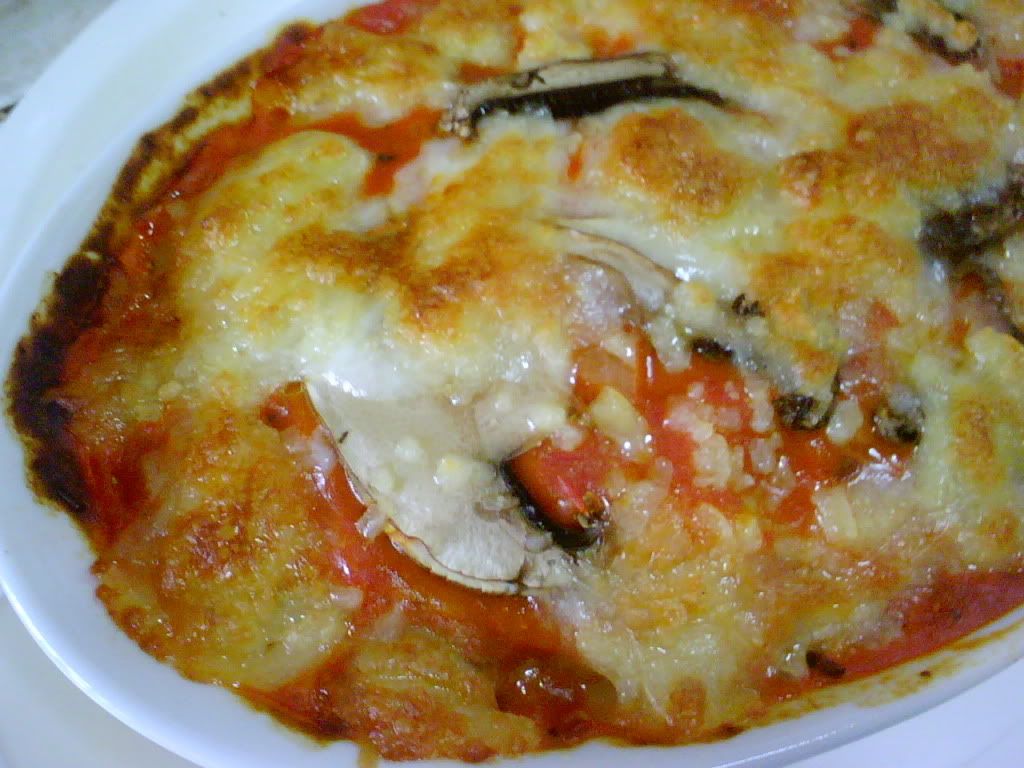
Today is the final cook-out day as the long christmas holiday is ending. I decided to whip up a quick and easy Baked Rice as I got leftover yam rice and garlic chicken ham. Baked Rice is a derivative from French Au Gratin and is hugely popular in Singapore F&B restaurants like Swenson, Pastamania etc.

I dropped by neighbourhood NTUC scour all the offer items of the week - Leggo Pasta Baked Sauce ($3.95) and Portabello Mushroom ($2.95) to complete my baked rice creation. The baked rice come out great as the Leggo Pasta Baked Sauce is thicker than the normal Leggo Pasta Sauce as a result you can use it out of the bottle without the need to reduce it consistency. It is also ideal as a pizza base sauce as it's thick consistency will not cause your pizza base to become soggy.


Garlic Chicken Ham Portabello Baked Rice
  • 2 slice of Garlic Chicken Ham
  • 2 tablespoon of Leggo Pasta Baked Sauce
  • 1 Portabello Mushroom Thinly Sliced
  • 1 Bowl of Yam Rice
  • Mozzarella Cheese
Layer the yam rice evenly on the ceramic baking dish.Optionally, you can use any cooked grain like couscous, fried rice or plain rice. Next layer the portabello mushroom slice to cover the rice leaving some for back rice topping. Slice the 2 slices of Garlic Chicken Ham diagonally until you have 8 slices. Layer the ham on top of each other on top of the portabello mushroom slices. Next scoop the Leggo Pasta Baked Sauce and ensure the whole baking dish is covered evenly with sauce. Now add in the rest of the portabello mushroom slice and top it off with mozzarella cheese. Baked in toaster oven for 15 mins until the cheese browned then serve hot.

Saturday, December 26, 2009

Chinese Drunken Chicken

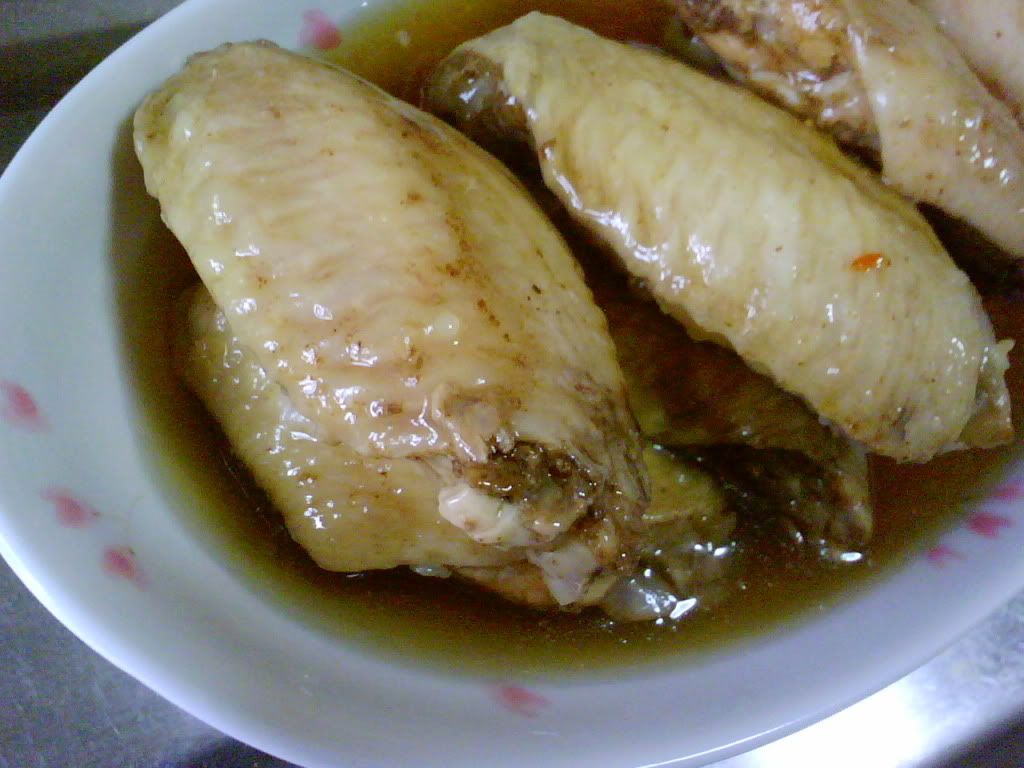
A change of work environment had kept me so occupied that I'm close to announcing my retirement to the world of cooking. Despite that, the spirit of cooking still burning strong in me and I took the opportunity of this long christmas holiday weekend to whip up this dish - Chinese Drunken Chicken. It is a chinese cold dish whereby the chicken have trace of liquor. It is one of the most unique chinese cold dish, as the chicken was serve chill which debunk preconception that chicken only taste good when it is warm.


Chinese Drunken Chicken
  • 8 pcs of Chicken Mid-Wing (Thigh or Breast meat also goes well)
  • 3/4 cup of Chinese Medlar
  • 1/4 cup of Jujubes
  • 1 teaspoon of Salt
  • 1 tablespoon of Chinese Cooking Wine
  • 1 to 1/2 cup of Chinese Cooking Wine
  • 2 tablespoon of fish sauce or soya sauce
  • 1 tablespoon of honey (optional)
Wash the chicken to remove any excess blood and drain. Add in 1/4 cups of Chinese Medlar, 1 teaspoon of Salt and 1 tablespoon of Chinese Cooking into the chicken wings and marinate for at least an hour or 2. Then put the wings into a steamer and steam it for 1 to 2 hours until the wings is cooked tender and leave it to cool.

Now you prepare the chinese wine marinade that will be use to prepare the drunken chicken. Add 1 cup of chinese cooking wine and 2 tablespoon of fish sauce/soya sauce mix well. Crush the jujubes add it together with the rest of the Chinese Medlar into the wine marinade. Leave the marinade for 1 to 2 hours to let the Jujubes and Medlar flavor to diffuse into the chinese wine. 

After that slowly add in the steam wings into the wine marinade till the marinade cover the chicken completely and chill for 2 hours in the fridge before serving. This is optional, you can add in a tablespoon of honey into the wine marinade to add a sweet twist to the traditional dish.

Saturday, December 19, 2009

Thickest Curry - Go! Go! Curry

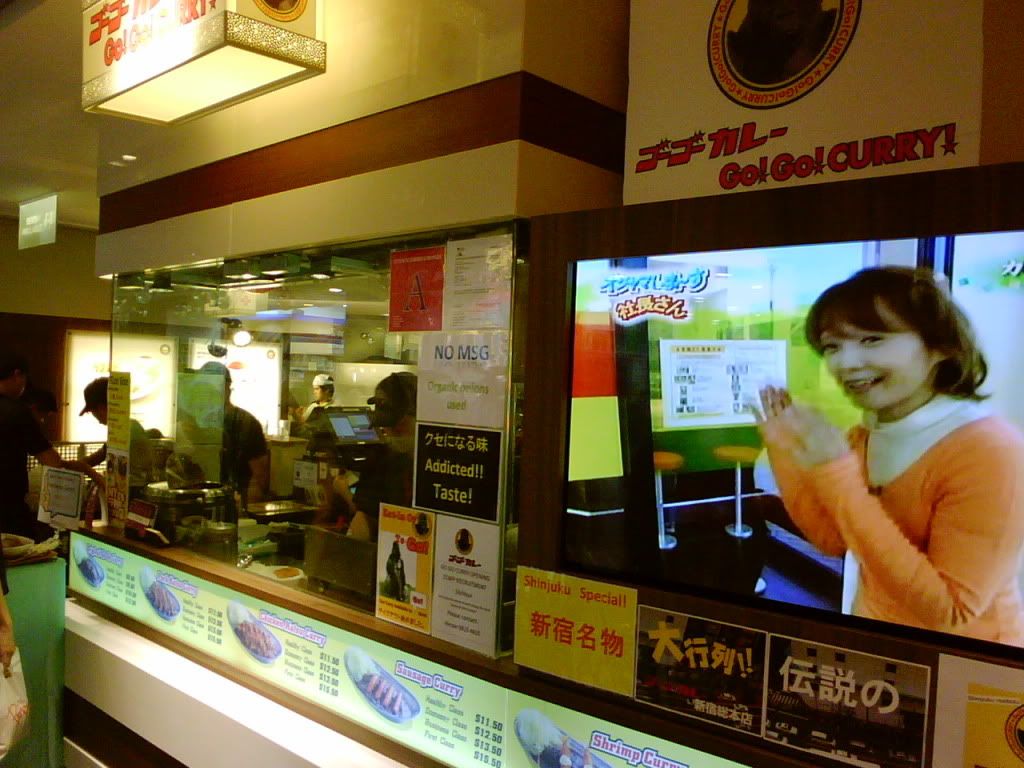
Another Japanese franchise restaurant (Go! Go! Curry) have bare it fangs in B4 of ION Orchard, competing for a share of Singapore F&B pie with fellow Japanese restaurants Ginza Barin, Gindaco & Aoba. You will a LCD broadcasting in japanese about Go! Go! Curry exploits in other countries and the number of people queuing just to have a GO for their curry. As there isn't much a crowd that day, so we decide to give it a GO as well. 


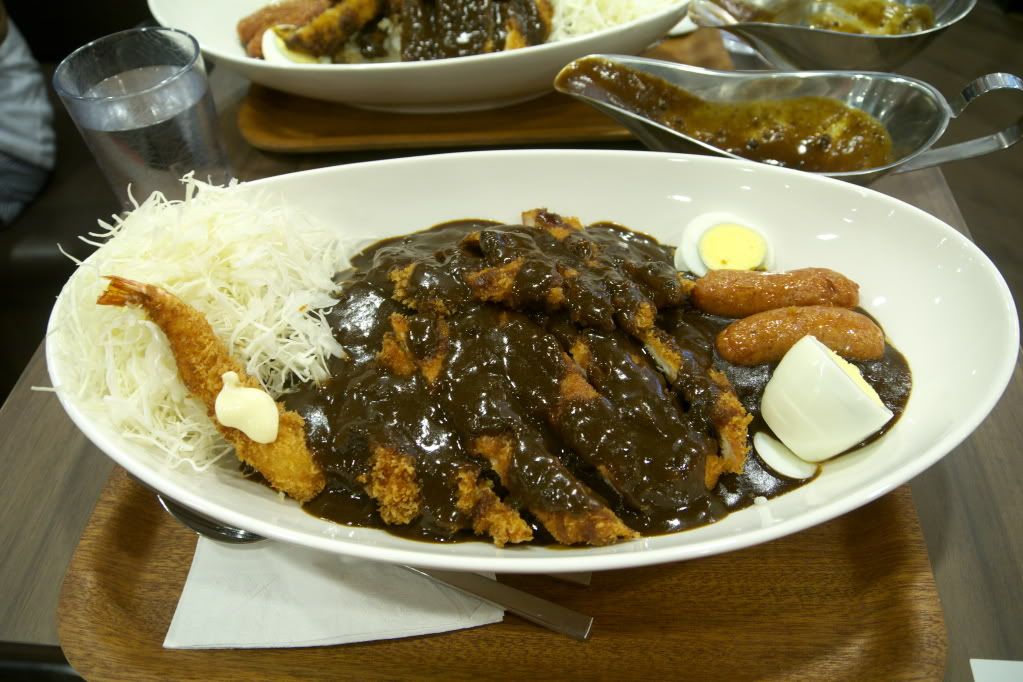
We were offered a paper menu showing the wide options Go! Go! Curry offer. You will be stumble why they have so many classes (Healthy, Economy, Business & First) amidst the curry type selection. The class is actually determine the amount of rice you get for your curry type you select. You don't expect they will give you additional or bigger piece of Pork Katsu if you order First or Business Class. What you will be getting will be bigger rice serving as you go down the classes. From what we gather about Go! Go! Curry's curry gravy was made from organic onions and no sugar were added to sweeten the curry, only organic onions that were cooked under low heat until caramelized till pure sweetness is added to make Go! Go! Curry gravy and the color of the curry gravy is black reminding you of black sesame paste.


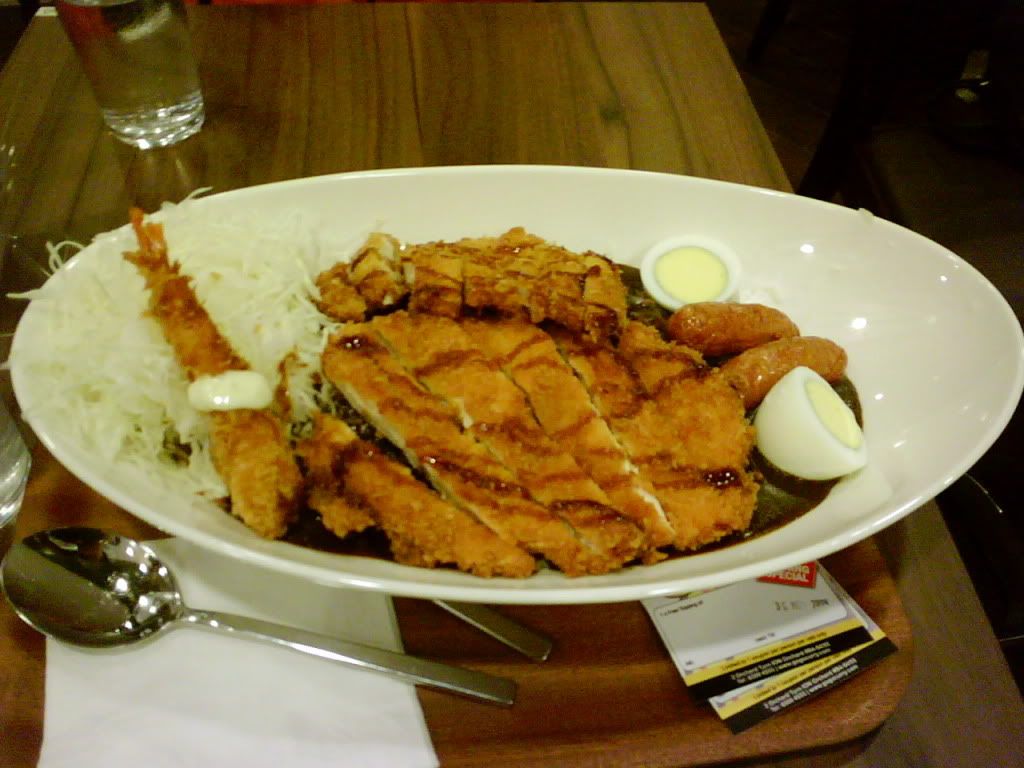
After browsing through the menu, we decide to have Grand Slam as it is the only curry selection with all the toppings offered in under one. So we happily order 2 set of Grand Slam ($18.50 SGD), least to our knowledge, we had opened a door to Jigoku (meaning Hell if translate from Japanese). Before our orders served, we noticed that Go! Go! Curry's curry gravy seem to be premium and they do not seem to serve it in abundance if compared to other curry rice I had in Waraku or Tampopo. So I order extra curry topping of $3.00 for both of us.  


When our Grand Slam was served to us, we got a shock of our life the sheer size of Grand Slam. Grand Slam is a Business Class ranking curry that imbued with all the curry toppings that is enough to feed 3 adults. Neighboring Go! Go! Curry patrons especially a particular Japanese family from opposite table were conversing and making reference to our pure boldness or foolishness to order Grand Slam.

With a do or die conviction, we grit our teeth and assault the curry like mountaineer assaulting Mt Everest. After drenching the extra curry gravy topping on the katsu, we scoop a big of the black curry to taste. Go! Go! Curry is the thickest curry gravy I ever tasted. The sweetness in the curry isn't those "artificial" sweetness you get from adding sugar. It is purely derived from the onions. The curry is rich in texture but in flavor department it is not overwhelming with curry spices that is prevailing in other curry rice offered in Singapore. 


.

It is a love or hate depending on individual as it is very thick until you sometimes find you might not have enough to last your whole meal. Luckily, we order extra curry gravy toppings to avert this issue. The chicken and pork katsu fried till very crispy while still maintaining it tender. My friend did complain the pork katsu too thin and do not have enough fat as compared to Tampopo. At this price with so much toppings, such omission is permissible as long the katsu is fresh and not dry. The sausage and the ebi fry doesn't impress me much. The hardboiled egg was overcook as you can see sulphur rings in them.

It took us quite a while to conquer this Mt Everest curry rice with my friend trailing behind barely alive. Go! Go! Curry is a unique curry rice on its own but if they are going to establish their roots in Singapore, they need to do better than just offering curry rice as Singaporean are fickle epicurean that crave for food variety and there are other major Japanese F&B are also offering varieties of curry rice.   

Tonkotsu Ramen Born From Chaos - Ippudo Mandarin Hotel

Last weekend, I grace the newly renovated Mandarin Hotel shopping mall section and discover fabled Ippudo Hakata Ramen Restaurant finally grace Singapore F&B scene. So I gather my usual makan kaki and attend the soft opening of Ippudo Singapore this weekend.


I went to Ippudo early at 5.30pm (the queue was pretty brisk) in hope of making a reservation, however they do not accept reservation at the moment. By 6.30pm my Kakis finally came but the queue had grew immensely snake-like long. Eventually, we persevered for 1 hour and managed to queue into waiting area in Ippudo where you get to chow on peanuts while perusing their menu. There are primarily 3 types of ramen type available for selection: Shiomaru Motoaji, Akamaru Motaji and Shoyu Ramen. I decide to settle for the Shiomaru as I want to taste the Tonkotsu soup in it untainted glory while my makan kaki opt for Akumaru tonkotsu soup blend with unique miso & garlic oil. We decide to go all out and order the both chashu version ($18.00 SGD) with Nitamago ($2.00 SGD) to test out all 


It not long until we are usher to our tables and the attendants took our order promptly. The wait for the ramen is pretty long considering they have a extensive open kitchen with considerable number of chef cooking. You can feel the disorientation in the Ippudo's operation with orders serve wrongly or clients complaining they being overcharge for their order.

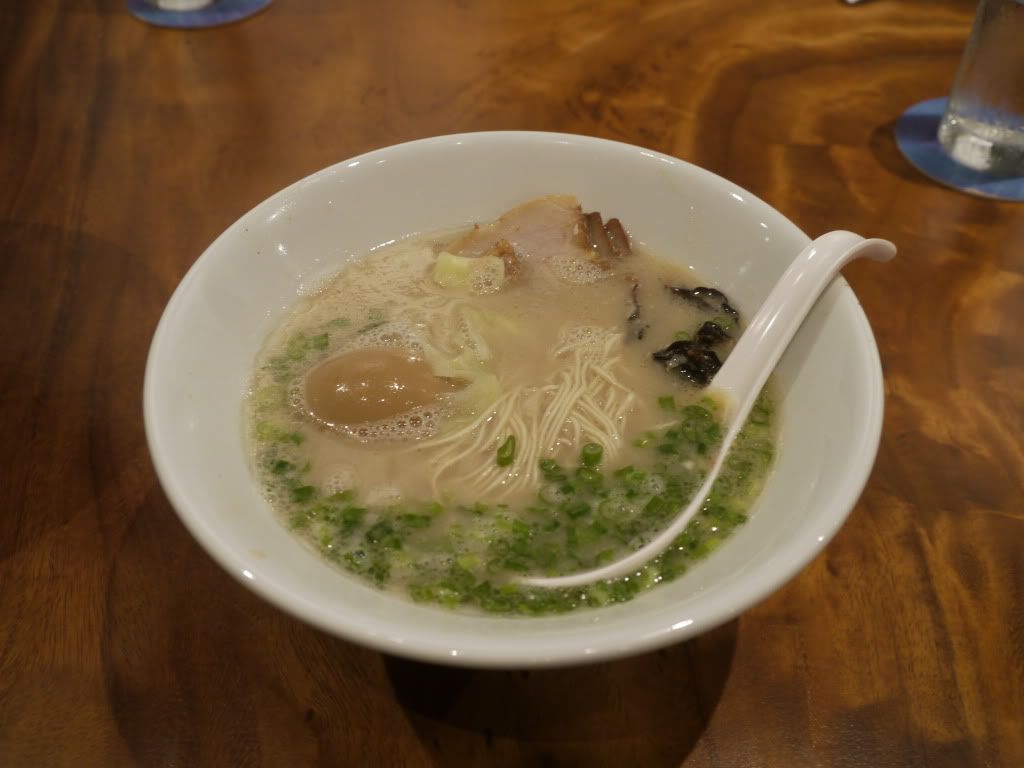
Nevertherless, the wait was worth it when you see the ramen serve to you. The first rule in consuming ramen is to drink the ramen soup. Ippudo's Shiromaru Motaji tonkotsu ramen is the richest tonkotsu (pork bone) broth I ever tasted surpassing even Tampopo's tonkotsu. The broth is rich but not overwhelming like Marutama It is lightly flavoured to suit the tastebud of average Singaporean who prefer low salt consumption and I simply can have second helping to the tonkotsu broth if it is free LOL.

The ramen noodle serve in Ippudo is same as Marutama's belong to those thin category. It is a either love or hate for Ippudo's ramen noodle. I generally okay with it although I would prefer those thick ramen noodle with el dente feeling. If you order the charsiew version, you get about 9 slices of tender light flavored charsiew that compliment the ramen well as they are very tender and not salty like some I've tasted. The wood ear is rarely added as a topping in ramen sold in Singapore, it is interesting to find it serve as ramen topping in Ippudo. The only grouse I had with Ippudo's ramen is the Nitamago is too over cook, for those ramen fanatics hoping to taste those semi-cooked ramen egg yolk can forget about tasting it in Ippudo. 


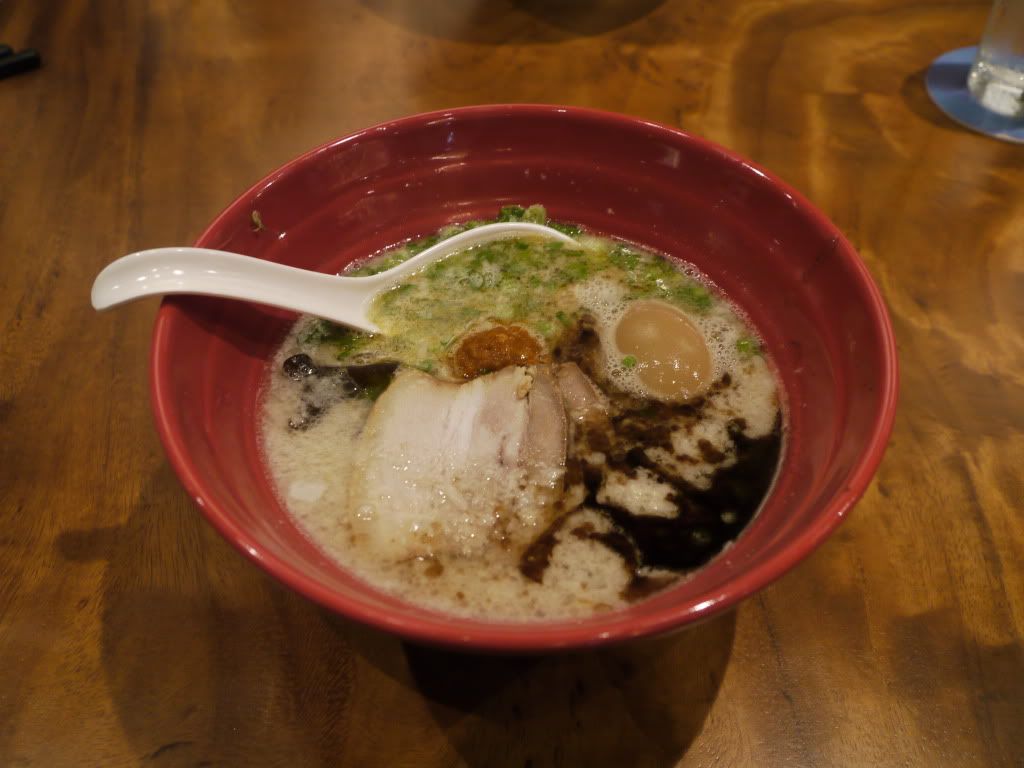
The Akamaru Motaji Tonkotsu Ramen is simply the Shiromaru version added a teaspoon of their own blend of Aka (Red) miso and garlic oil. My friend allowed me to try a bit of the red miso, it is pleasantly sweet and I believed it will bring a tinge of sweetness to the broth while the garlic oil giving support artillery assault on your palate. I would say Ippudo is a strong contender to current ramen operator out there due to its ability to offer a ramen that is close to Singaporean palate while retaining its Japanese roots. Ipppudo Ramen is really "Tonkotsu Ramen Born From Chaos" as a lot improvement need to be done in operation efficiency which is severely lacking in their soft opening.


Saturday, November 28, 2009

Chinese Mala Hotpot Condiments

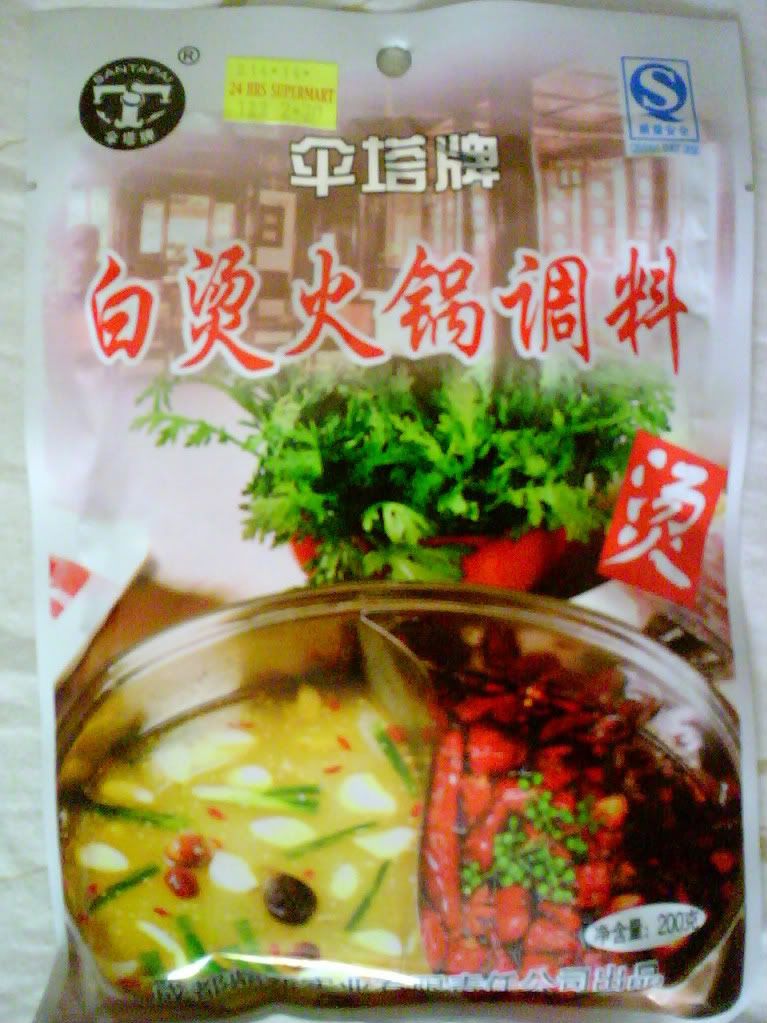
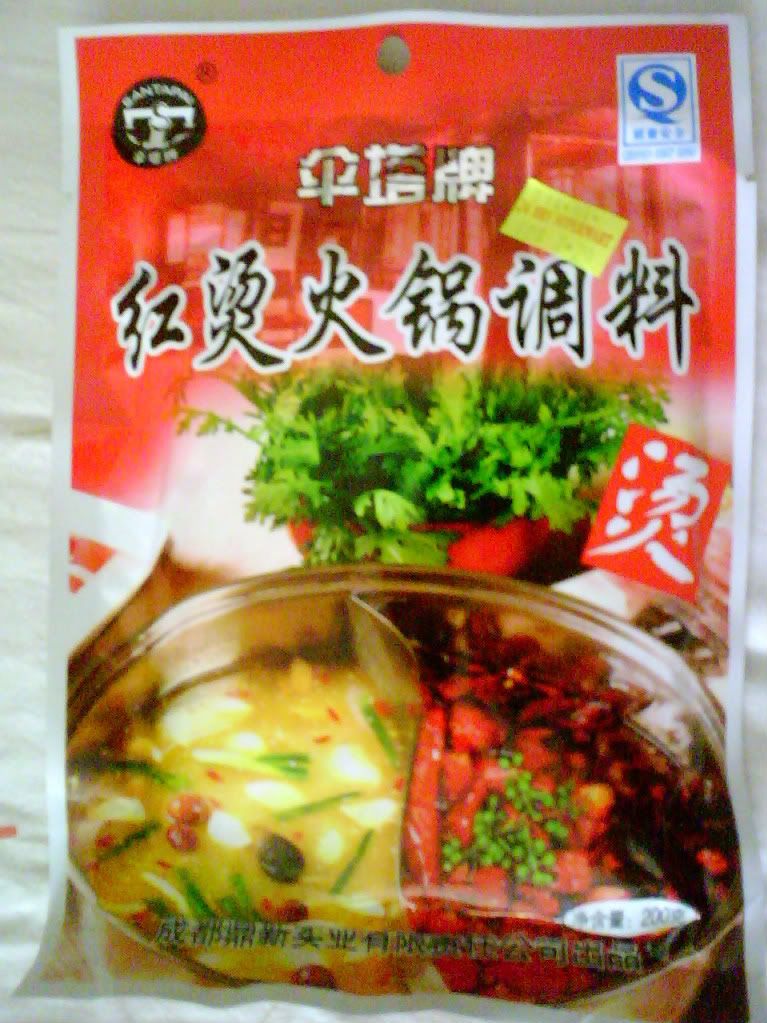
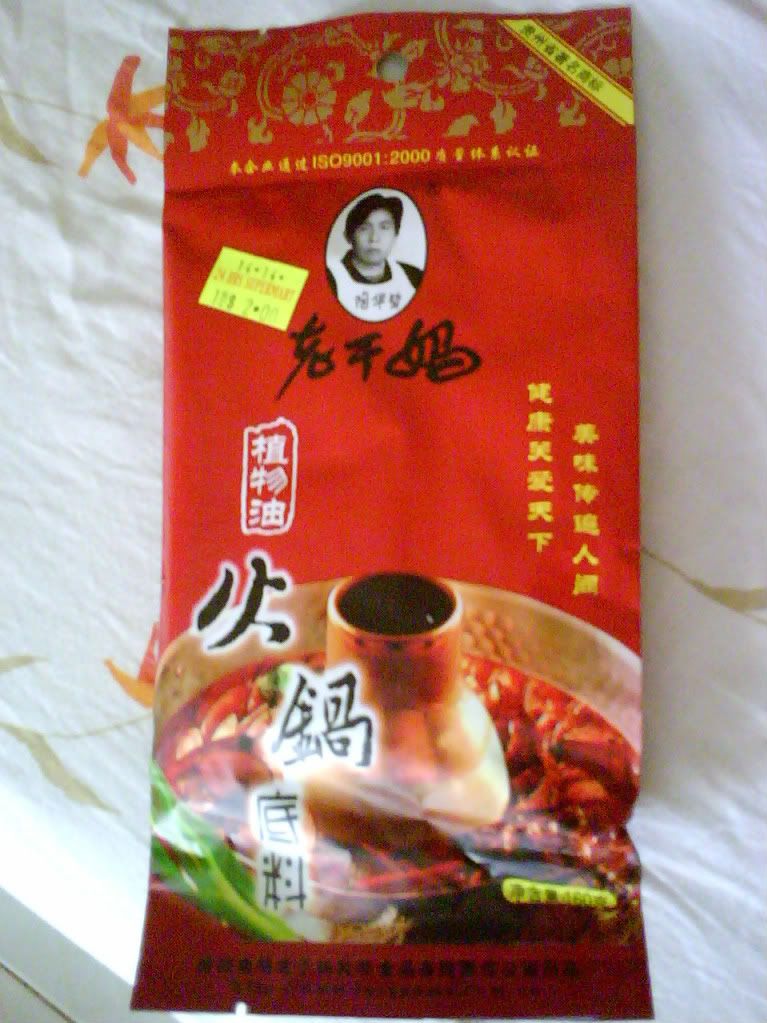
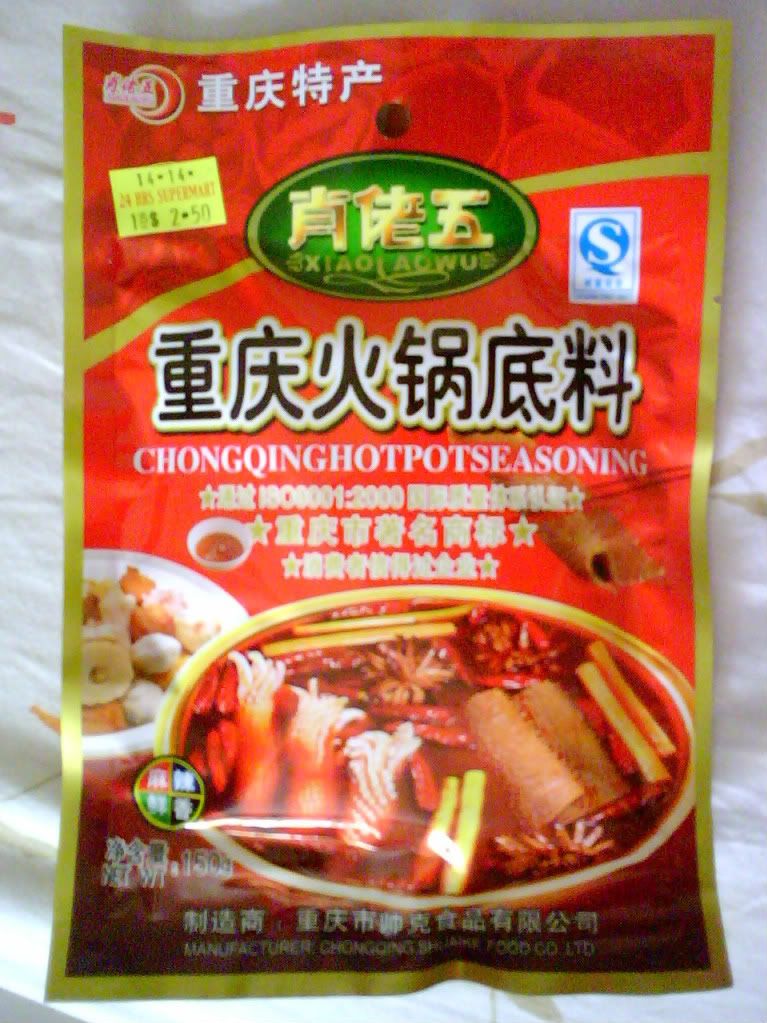
Chinese Mala "Spicy" Hotpot is such a fad in Singapore a lot of F&B importers are  importing the Mala Hotpot soup packs to resale to general consumer. Nowadays, you are easily spoil for choice with the variety of Mala Hotpot soup pack and I have consolidate a list of Mala Hotpot soup easily available in Singapore for those who want to DIY your own Mala Hotpot.


Wednesday, November 25, 2009

Franchise Viet Food - Pho Phoa

My introduction to vietnamese food started in Pho Phoa, a franchise viet restaurant focus primarily on Viet Beef Noodle with numerous outlets open across US, Canada and Asia. Normally, I don't really like oversea franchise restaurant operating in Singapore as the food served by such franchise rarely live up to its origin. Pho Phoa is the only one so far manage to change my perception.


.
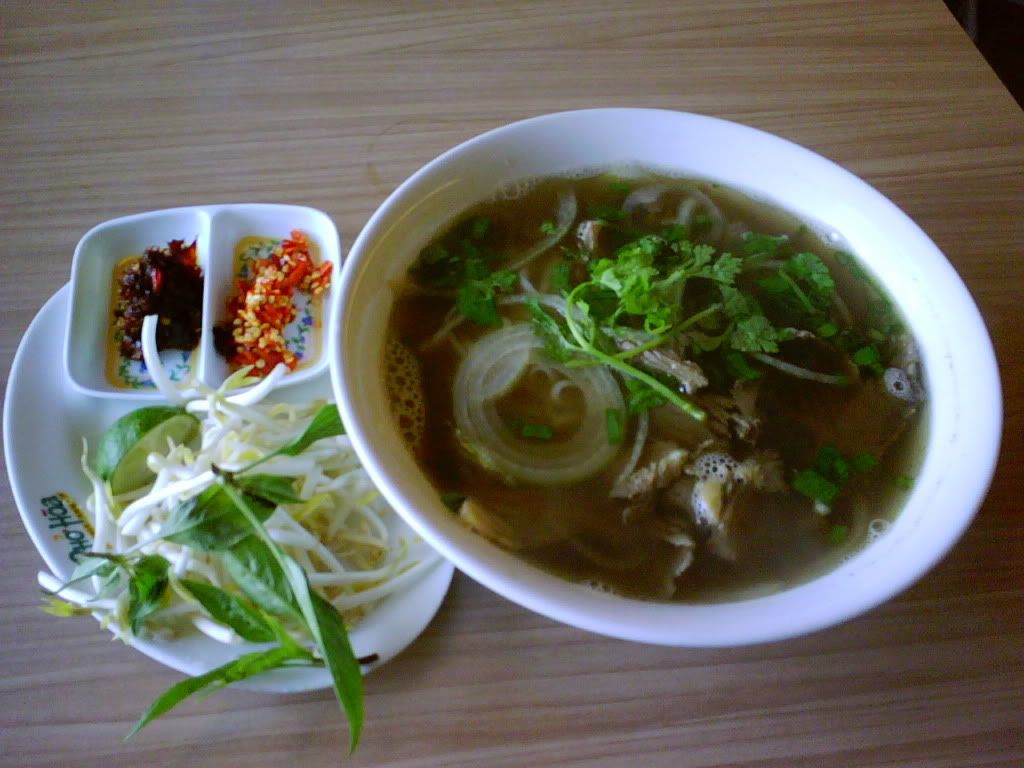
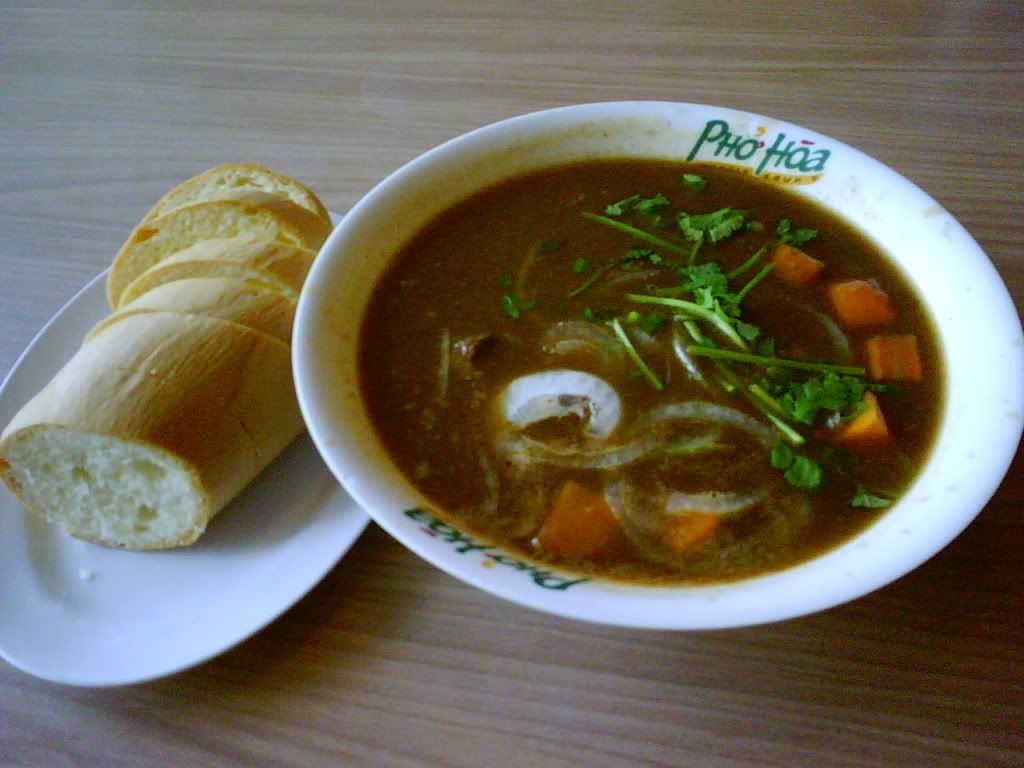
Pho Phoa Singapore is conveniently located in a inconspicuous corner at Suntec Mall Level 3, you might miss the restaurant entirely if you do not look for it closely. It is my 3rd visit to Pho Phoa with first visit alone and the second with my makan kaki. I'm pretty famish today as I got long day (AFA 2009 Concert) ahead of me so I decide to order a Phở Tái, Chín Nạc $8.95 (Viet Beef Noodle Soup with Beef Steak and Brisket Slice) and Bánh Mì /Phở Bò Kho $8.95 (Viet Carrot Beef Stew served with Bread) to help tide me off.

The Phở Tái, Chín Nạc was serve first with toppings of fresh chili flakes, bean sprouts, thai basil leaves and not least Pho Phoa's concocted dry lemongrass sweet chili paste. For starters in Viet Pho, add in the toppings that you prefer bean sprouts, thai basil and fresh chili to adjust the Pho to suit to your taste. For my case, add in everything except for the dry lemongrass sweet chili as I would like to savour it individual with the Pho and so as not to taint the beef soup. Before I add in the toppings, I took a sip of Pho beef soup and its strike me the beefy taste is more distinct than those Hainanese style.

Unlike the Hainanese Beef Noodle, the soup is clear as consomme which made it more superior as additional process of removing the scum (coagulation soluble albumin in raw meat during cooking) from the broth enhancing it richness. The Viet Pho (rice noodles) really goes well with the soup but the same cannot be say for the beef steak & brisket slice as it was overcook and tough. Some slices have tendon which make it even more difficult to chew.

If you have more flexible budget, I would suggest you order Phở Tái, Nạm, Gầu $11.95 (Viet Beef Noodle soup with eye round steak, flank and fatty flank) and ask for special request that you just want fatty flank. Fatty flank doesn't get over cook that easily in the hot Pho soup while maintain its tenderness. If you not too fussy about the overcook beef, Pho Phoa is a strong contender to Hainanese style beef noodles like Hock Lam, Zheng Yi or Hong Heng with a more upmarket price after you include in the service charge & GST.  


Bánh Mì /Phở Bò Kho was serve next after I start feasting on the  Phở Tái, Nạm, Gầu. I couldn't wait till I finish the Pho Tai and start on Banh Mi. When I took a sip of the beef stew, it is the richest beef stew I ever tasted and it make Pho Tai's Beef soup pale in comparison. But the underside of the stew it is too salty for my palate and you can only enjoy it with bread, noodle or rice. Eating it without any side is suicidal to your general health. For same price, Banh Mi seem to be a better offer as Ban Mi have generous serving of stew beef chunks while Pho Tai only have few thin slice of beef. The stew beef chunks are pretty well stew to tenderness despite a few beef chunks miss the mark. In conclusion for my third visit to Pho Phoa, Ban Mi had left me a deeper impression than the rest.